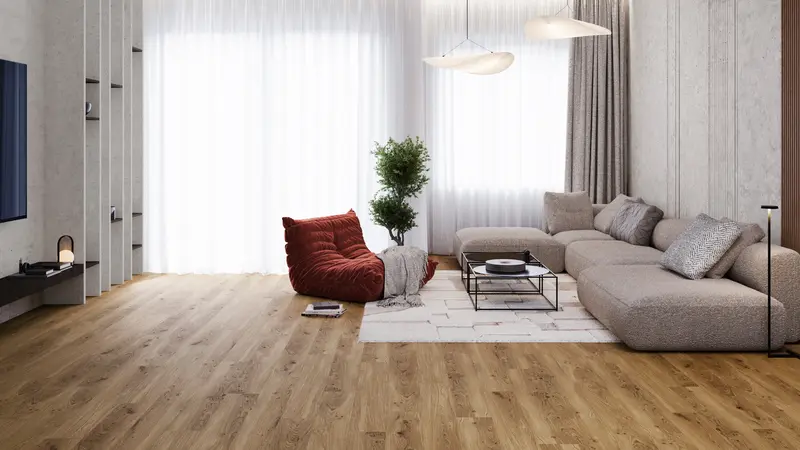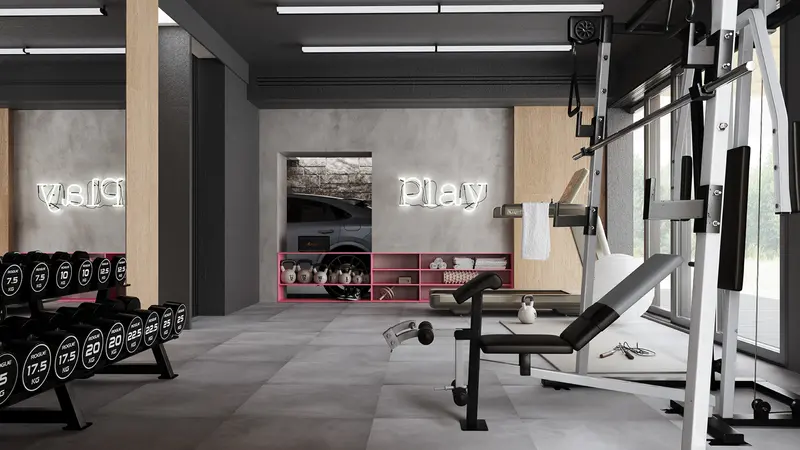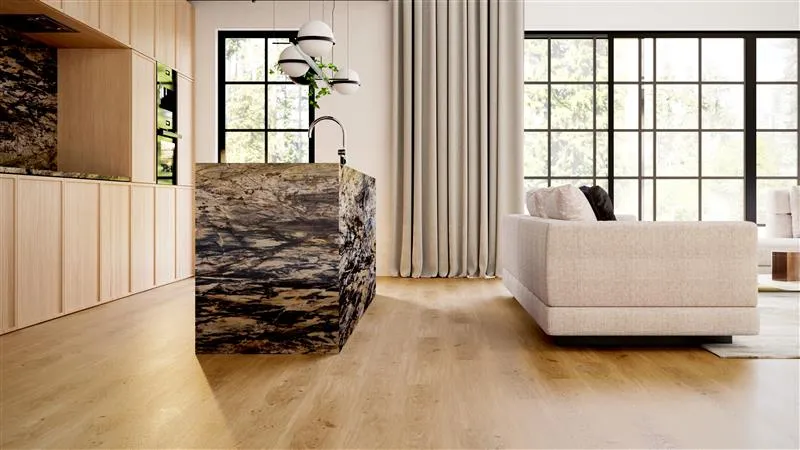
Vinyl flooring is one of the most popular finishing solutions in modern interiors. Designers and investors increasingly choose vinyl panels for their durability, aesthetics and resistance to difficult conditions, including moisture. Glued vinyl panels attract particular attention, as they stand out with exceptional stability and tightness compared to floating panels.
What are glued vinyl panels?
Glued vinyl panels are vinyl flooring installed directly to the substrate using specialist adhesive. Unlike floating-system panels, glue-down vinyl panels are permanently attached to the substrate, increasing their stability and resistance to element shifting.
VTL offers glued vinyl panels in various formats: planks, XL planks, classic herringbone and XL tiles. All these variants provide a uniform, tight floor surface that handles moisture better than floating systems.
Moisture and vinyl flooring – basic information
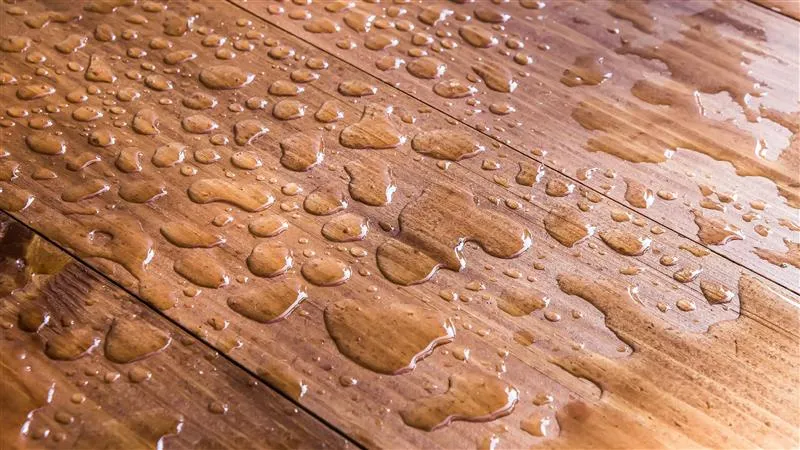
Vinyl flooring is a waterproof material, but its moisture resistance depends on the installation method and substrate preparation. Glued vinyl panels, thanks to their permanent connection with the substrate, minimize the risk of water being drawn under the panels.
Unlike floating panels, where gaps between elements can allow moisture to penetrate and cause deformation, glue-down vinyl panels create an almost sealed surface. This makes them particularly recommended for kitchens, bathrooms, laundry rooms and other rooms exposed to water contact.
Herringbone vinyl panels and moisture
Herringbone vinyl panels are very popular due to their elegant, classic pattern. VTL offers classic herringbone in a glued version that combines aesthetics with durability. Glued installation is particularly important for this pattern, as it ensures perfect element alignment and surface tightness.
Substrate preparation for glued vinyl panels
One of the key factors determining the moisture resistance of glued vinyl panels is proper substrate preparation. The surface must be level, dry, clean and stable. VTL recommends using dedicated primers and bases that improve the adhesion of glue-down vinyl panels and provide an additional protective barrier against moisture.
Installing glue-down vinyl panels and moisture
When installing glue-down vinyl panels, it is important to remember that proper adhesive distribution is crucial for floor tightness. Each panel must be precisely glued to the substrate, eliminating the formation of voids and gaps where water could accumulate.
Advantages of glued vinyl panels in terms of moisture
Glued vinyl panels offer a number of advantages in rooms exposed to moisture:
- absence of a moving click system reduces the risk of water being drawn up
- tight connection with the substrate improves dimensional stability of panels
- high-quality wear layer protects the surface from stains and scratches
Using vinyl flooring in humid conditions
Although glued vinyl panels are moisture resistant, several usage rules should be followed. Regular cleaning with a damp mop, avoiding excess water and using appropriate cleaning products keeps the floor in excellent condition.
Summary – glued vinyl panels and moisture
Glued vinyl panels are an excellent choice for those looking for durable and moisture-resistant vinyl flooring. Regardless of the chosen format – planks, XL planks, classic herringbone or XL tiles – VTL glue-down vinyl panels guarantee stability, tightness and high water resistance.
Proper installation, adequate substrate preparation and regular maintenance allow you to fully benefit from vinyl flooring in humid rooms. By choosing VinylTechLab products, you invest in vinyl flooring that combines aesthetics, functionality and reliable durability for many years.