Modern construction increasingly focuses on solutions that ensure comfort, energy efficiency and interior aesthetics. One of the most popular heating systems is underfloor heating, which provides an even temperature distribution and high user comfort. At the same time, interest is growing in modern finishing materials such as vinyl flooring. Many people wonder, however, whether combining these two solutions is safe and effective.
In this article we explain how vinyl panels work with underfloor heating, what their advantages are and what to pay attention to during installation.
Why underfloor heating is gaining popularity
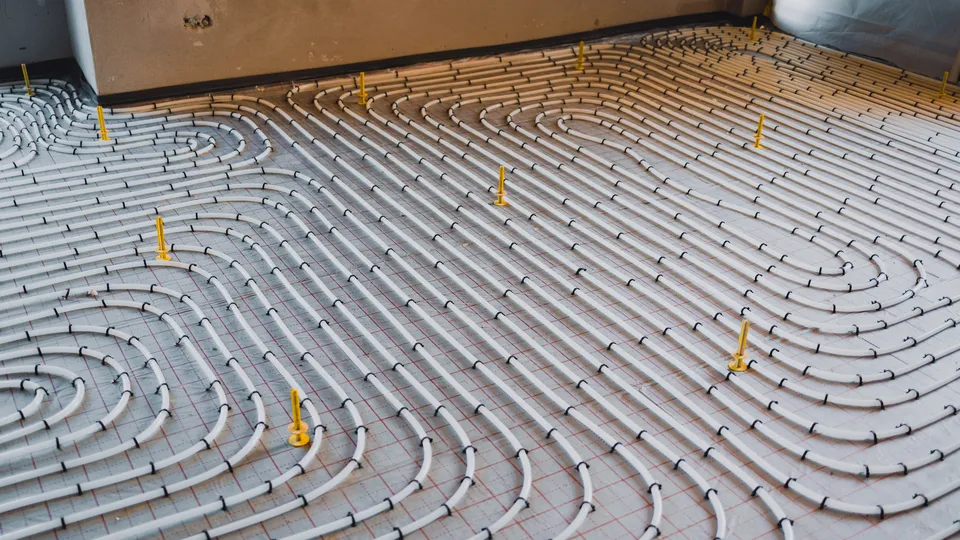
Underfloor heating is a system that ensures even heat distribution across the entire floor surface. Unlike traditional radiators, heat rises from the bottom upwards, which increases thermal comfort and allows a lower air temperature to be maintained while retaining a pleasant feeling of warmth. This type of solution is particularly valued in modern homes and energy-efficient flats.
Contemporary underfloor heating systems can be water-based or electric. Both types, however, require an appropriate choice of finishing material, as not every floor type conducts heat well. This is precisely where vinyl panels gain a significant advantage, as their construction and technical properties ensure excellent cooperation with the heating installation.
What is vinyl flooring and why does it work with underfloor heating
Vinyl flooring is a modern solution based on a multi-layer PVC material structure. It consists of a load-bearing layer, a decorative layer and a protective layer, which gives it high durability and moisture resistance. Compared to traditional laminate or wooden panels, vinyl is characterised by significantly better thermal conductivity.
Thanks to low thermal resistance, vinyl panels respond quickly to temperature changes, which translates into heating system efficiency. This means the room heats up faster and energy is used more economically. VTL products have been designed to maximise the potential of underfloor heating while ensuring dimensional stability and user comfort.
Advantages of vinyl panels with underfloor heating
Combining vinyl panels with underfloor heating brings many benefits, both practical and aesthetic. Above all, the material conducts heat excellently, increasing the efficiency of the entire installation. The floor heats up evenly without causing localised overheating.
Another advantage is dimensional stability. Under the influence of temperature, some flooring materials may expand or contract, leading to deformations. Vinyl flooring, especially high-quality VTL products, has been designed to minimise such phenomena.
Vinyl panels are also pleasant to the touch. Even without underfloor heating switched on, their surface is warmer than ceramic tiles or stone. This makes them ideal for bedrooms, living rooms, kitchens and children's rooms.
The acoustic aspect should not be overlooked either. Many vinyl panels have sound-dampening properties, which increases the comfort of room use, especially in multi-family buildings.
Glued vinyl panels and underfloor heating
One of the best solutions used with underfloor heating is glued vinyl panels. This installation method involves permanently fixing the panels to the subfloor, which increases thermal conductivity and the stability of the entire structure.
Glued vinyl panels ensure very good contact with the subfloor, so heat is transferred without additional insulation barriers. This solution is especially recommended in modern installations where maximum energy efficiency matters.
Glue-down installation does, however, require proper subfloor preparation. The surface must be perfectly level, dry and stable. Professional installation helps avoid future problems and ensures long-term floor durability.
Herringbone vinyl panels – aesthetics and functionality
Herringbone vinyl panels are growing in popularity, combining a classic pattern with modern technology. The herringbone pattern gives interiors elegance and timeless character while retaining all the advantages of vinyl material.
Herringbone vinyl panels work excellently with underfloor heating because their structure allows for even heat distribution. Correct installation is particularly important here, as the pattern demands precise laying. VTL products have been designed with ease of installation and durability in mind, even under intensive use.
How to properly prepare the subfloor
Subfloor preparation is one of the key stages of installing vinyl panels on underfloor heating. Even the best vinyl flooring will not fulfil its purpose if the subfloor is uneven or damp.
The subfloor should be carefully levelled, as any unevenness may be visible on the panel surface. The screed moisture content should also be checked and the screed heating-up process carried out in accordance with the heating system manufacturer's guidelines.
It is also worth ensuring the compatibility of adhesives or underlays with underfloor heating. Products dedicated by VTL are designed to ensure optimal cooperation with the heating installation.
Maximum temperature and usage rules
When using vinyl panels on underfloor heating, temperature guidelines must be followed. Typically, the maximum floor surface temperature should not exceed 27 degrees Celsius. Exceeding this value may reduce material durability and decrease user comfort.
It is also important to start up the heating system gradually. After panel installation, the temperature should be increased step by step so that the material has time to adapt to the new conditions.
Water or electric heating – what to choose for vinyl panels
Vinyl panels are compatible with both water and electric underfloor heating. The choice of system depends mainly on the type of investment and individual user preferences.
Water heating is more commonly used in detached houses and large spaces because it allows for lower operating costs. Electric systems, on the other hand, are easier to install and often chosen during flat renovations.
VTL products have been designed to ensure stability and durability regardless of the type of heating system used.
Most common installation mistakes
One of the most common mistakes is improper subfloor preparation. Failure to level adequately can lead to mechanical damage and aesthetic problems.
Another mistake is using inappropriate insulating underlays that restrict heat flow. In the case of glued vinyl panels, dedicated adhesives with high thermal conductivity should be used.
Incorrect heating system temperature settings can also negatively affect floor durability. Excessively high temperature leads to excessive material expansion and may cause deformations.
Is vinyl flooring energy efficient?
Vinyl flooring combined with underfloor heating can significantly improve a building's energy efficiency. Thanks to good thermal conductivity, the heating system can operate at lower temperatures, reducing energy consumption.
In practice, this means lower heating bills and more environmentally friendly home use. This is precisely why vinyl panels are increasingly chosen in modern energy-efficient and passive construction.
Why choose VTL vinyl panels
The VTL brand, VinylTechLab, specialises in producing modern flooring solutions adapted to current market needs. VTL vinyl panels have been designed with durability, aesthetics and underfloor heating compatibility in mind.
Thanks to modern production technologies, these floors are characterised by high resistance to abrasion, moisture and temperature changes. The extensive pattern range, including herringbone vinyl panels, allows the floor to be matched to any interior style.
Summary
Underfloor heating and vinyl panels are a solution that perfectly meets the needs of contemporary users. The combination of energy efficiency, thermal comfort and modern design makes vinyl flooring an increasingly popular choice.
By choosing high-quality VTL products and following the principles of correct installation and use, you can create a durable and aesthetically pleasing floor surface that will serve for many years. Glued vinyl panels and herringbone vinyl panels are an excellent solution for both new builds and the modernisation of existing interiors, ensuring comfort, energy savings and an exceptional appearance.
Looking for the perfect floor?
Discover our full range of vinyl flooring and find the ideal solution for your interior.
Want to see our articles more often in Google?
Add VinylTechLab as a preferred source in Google Search so our guides and inspiration appear more often for you.
Add in Google