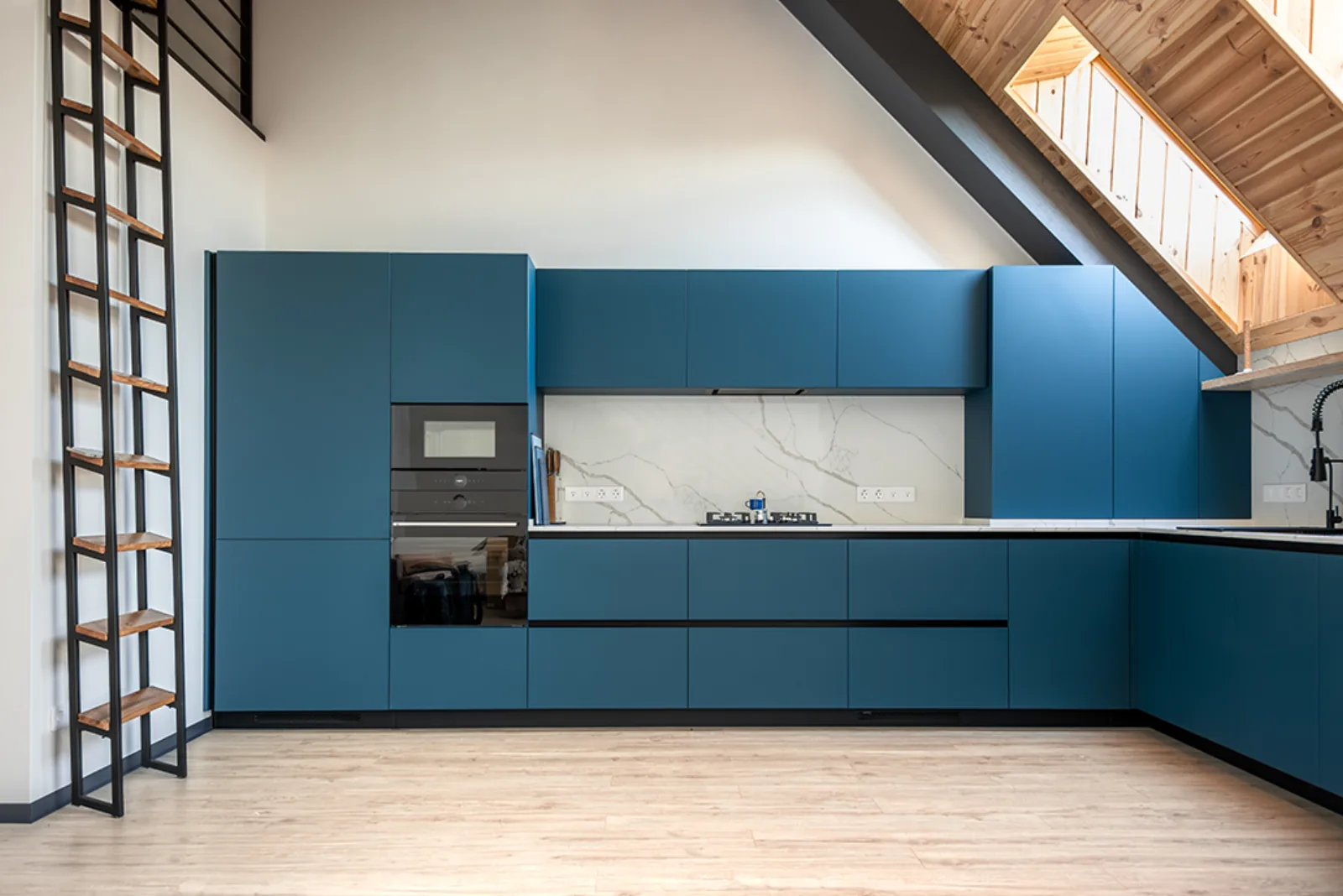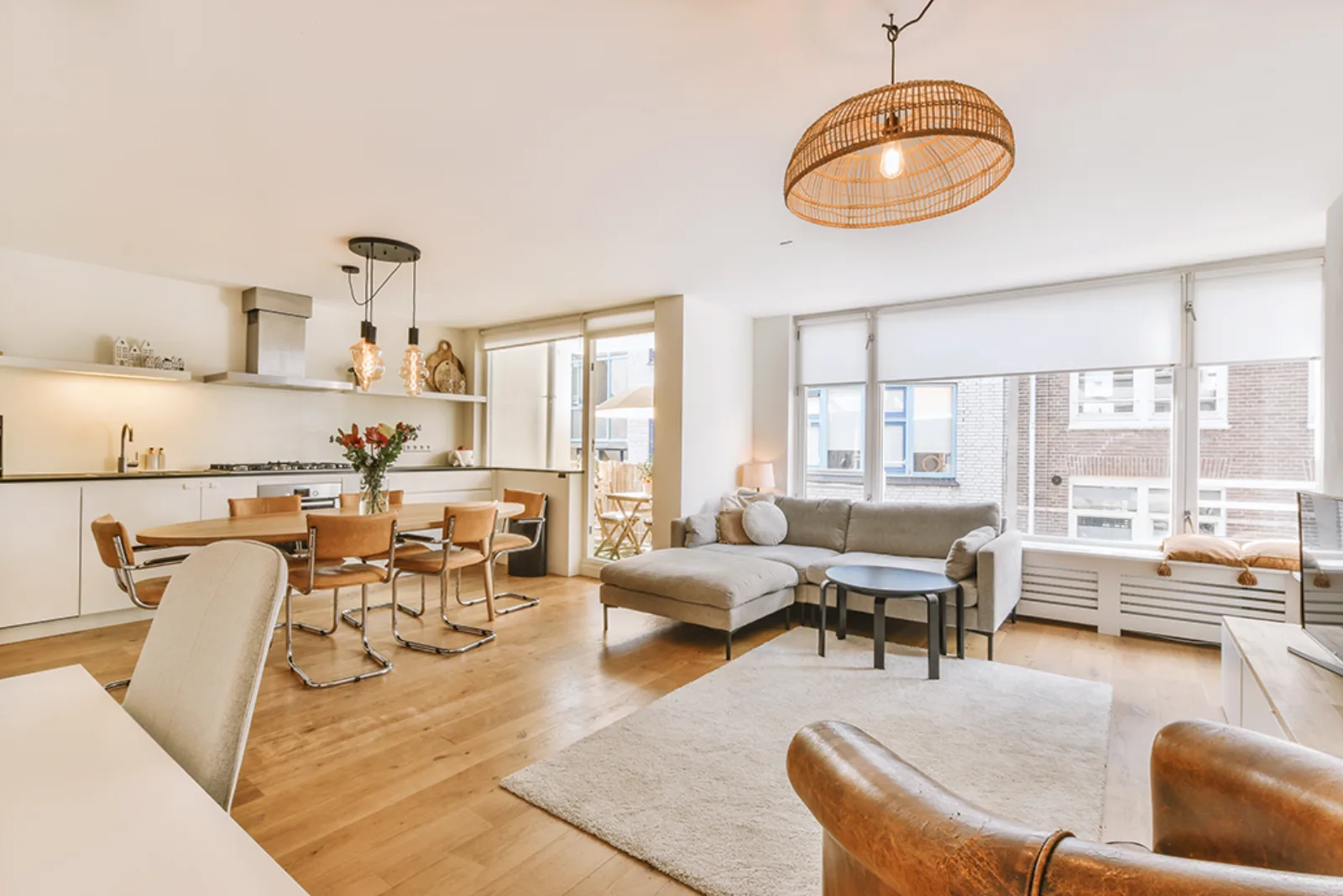
Floor renovation is associated with weeks of chaos. Dust after sanding parquet floors, which settles on all furniture and clothes. Debris from chipping away at tiles that needs to be removed in buckets. The smell of glue that doesn't go away for several days. Self-leveling screed, which can be walked on only after several dozen hours. Apartment decommissioned, temporary living in one room or with family.
Installing snap-in vinyl planks is a different experience. This does not mean that it does not require any preparation - it does. But the scale of nuisance is incomparable to other materials. In this article, we explain why vinyl is unique in this respect and how to plan the installation so that it is really clean and quick.
Why are other floors so difficult to install?
To appreciate the silence and purity of vinyl installation, it is worth remembering for a moment what the alternative looks like.
Solid parquet requires sanding after installation - a belt or eccentric sander generates clouds of wood dust for several hours, which settles literally everywhere. Then varnishing or oiling - smell, drying time, no walking for several dozen hours. When renovating an existing parquet floor, the entire process is repeated.
Ceramic tiles are the removal of an old layer - noise, dust, debris. Then gluing new tiles, grouting and cleaning the joints from residues - tedious work on every square meter. The time from start to reaching the finished floor is a minimum of three days, often more.
Self-leveling screed - even as a preparatory stage - requires drying time, humidity control and exclusion of the room from use.
Laminate is easier to install than parquet and tiles, but it differs slightly from vinyl when removing the previous floor and leveling the subfloor.
Installation of vinyl panels with a latch - which generates dirt
When installing snap-in vinyl panels, there are several sources of dirt - but each of them is under control and can be minimized.
Cutting the panels generates fine chips and vinyl dust. Vinyl panels are cut with a knife using the breaking method - without a saw, without filings, without dust. Curvilinear cuts with a jigsaw produce small chips, but in small quantities. A vacuum cleaner at the jigsaw or a quick sweep after each cut keeps the work area tidy.
Acoustic underlayment, if used, does not generate dirt when laid out. Taping the joints of the subfloor is a clean and quick operation.
Spacer wedges and possible adjustments at door frames are the only activities that require precision - but none of them involves dust or wet work.
When it's dirtier - level the ground
The only stage that may cause more dust and confusion is leveling the surface with a self-leveling compound or spatula. But here, too, the scale is incomparable to dust after sanding parquet floors or debris from chipping tiles.
The self-leveling compound is mixed with water, poured onto the floor and spreads itself - it's a wet job, but clean and quick. The drying time of a standard mass is 2-4 hours. After this time, the floor is ready for installation of panels.
If the substrate is already even and dry - and this is often the case when replacing an old laminate or with a new screed from a previous renovation - leveling can be completely omitted. Assembly starts immediately.
Time from start to finished floor
This is one of the most convincing arguments for vinyl panels when renovating a working apartment.
For a typical room of 20 square meters with good subfloor, an experienced team installs snap-on vinyl panels within one business day. Self-assembly without experience is usually one day stretched into two - with careful planning of the layout, measurement and a leisurely pace.
After installation, the floor is ready to walk on immediately - there is no drying time, no waiting for hardening. Furniture can be brought in on the same day or the next day, taking into account the time needed to arrange the strips.
Compared to parquet flooring, sanding and varnishing require an additional two or three days of shutting down the room after laying the boards. In the case of tiles - grouting and drying of the grout takes another 24-48 hours after laying and gluing. The snap-on vinyl is ready right away.
Installation in an active apartment – how to plan it
Snap-on vinyl planks are one of the few types of flooring that can be installed in an active apartment without having to move out for the renovation.
The key is the order of the rooms. Start with the rooms that are easiest to temporarily give up - a guest's bedroom, a children's room when staying with grandparents, an office on the weekend. Tack one room at a time and return to normal use the same day.
When renovating the entire apartment, plan a communication route that will allow you to reach the bathroom and kitchen throughout the renovation period - even if the path through the corridor is temporarily blocked by panels waiting to be installed.
When assembling furniture in an active apartment, they do not have to leave the premises - just move them successively, freeing up space for arranging subsequent rows. In the case of very heavy furniture, such as a piano or large shelves, it is worth planning help.
Glued assembly – when we accept more confusion
Glued installation is demanding compared to click installation - the glue has an opening time, the panels must be pressed, and the floor cannot be used for 24 hours after installation. This is much more organizational discipline than with a latch.
When installing glue in a bathroom or kitchen, where it is technically justified, it is worth planning the work so that the room is available for at least 24 hours without the need to use it. In the bathroom, this is often the biggest logistical challenge of the entire renovation - it is worth planning the installation on Friday evening so that the weekend drying does not interfere with the daily rhythm.
Cleaning after installation
After the installation of snap-in vinyl planks is completed, cleaning literally involves vacuuming and wiping the floor with a damp cloth. No glue residue, no cement, no paint chips. A few minutes and the apartment is ready.
Compared to parquet, where after sanding wood dust has to be collected for several days from every surface in the apartment, the difference is fundamental. In the case of tiles, cleaning the remains of glue and grout from the tile surface takes hours of work immediately after installation.
Summary
Snap-on vinyl planks are the cleanest and fastest floor renovation available on the market. No dust, no wet work, no drying time, possibility of installation in an active apartment and ready for use immediately after completion - this is a set of features that are difficult to overestimate when renovating with living on site. The only stage requiring attention is leveling the surface, but it is incomparably simpler and cleaner than chipping and pouring other materials.
A full overview of the VTL collections available in the click system can be found in the VinylTechLab vinyl flooring offer. If you plan to install it yourself, read the step-by-step guide to installing vinyl panels.
Looking for the perfect floor?
Discover our full range of vinyl flooring and find the ideal solution for your interior.
Want to see our articles more often in Google?
Add VinylTechLab as a preferred source in Google Search so our guides and inspiration appear more often for you.
Add in Google